
 Français
Interseason Blues anyone?
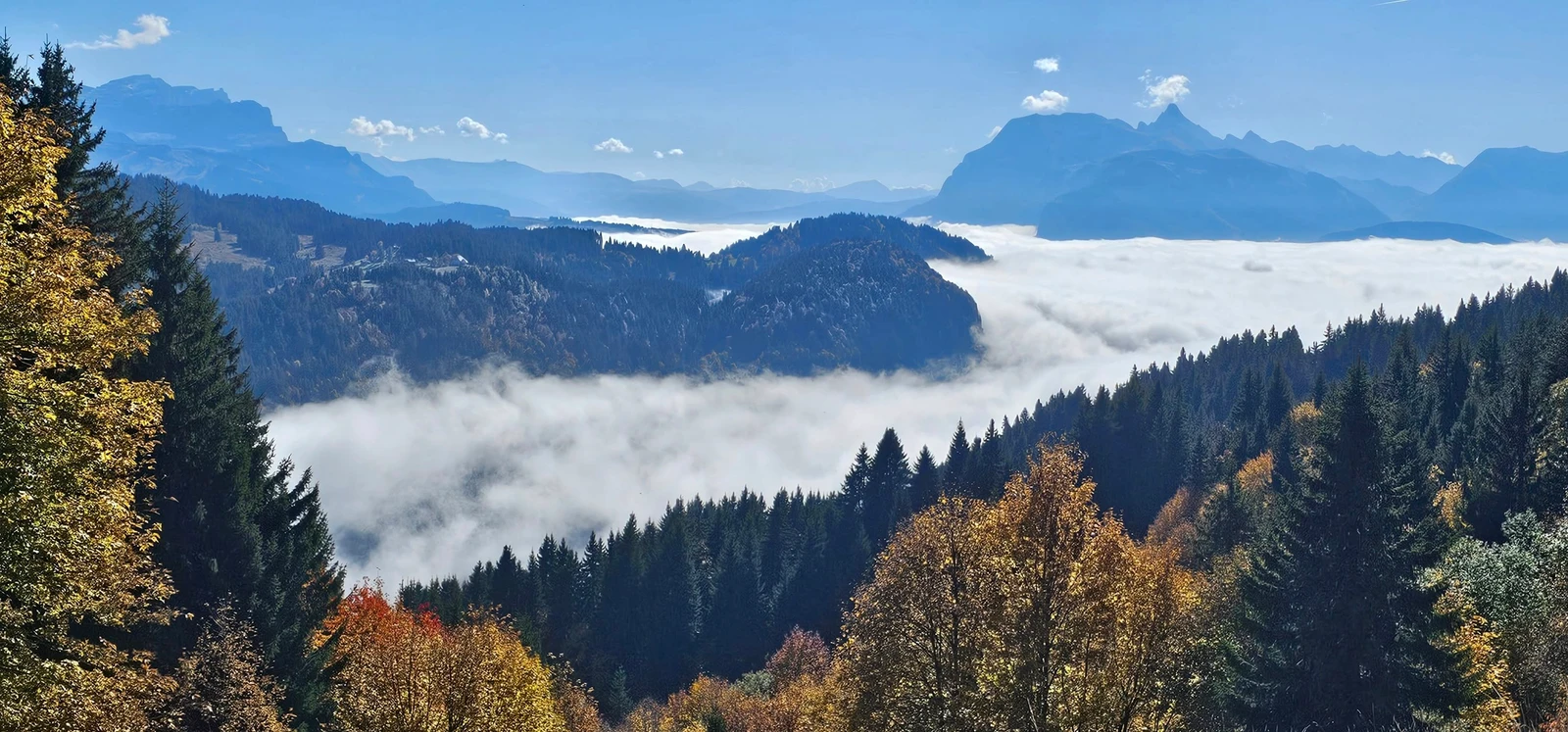
The autumn colours may be pretty spectacular at this time of year, but don’t expect your mood to hold the same sentiment. For many, this time of year can bring on a dip in spirits. The sun is lower, the summer social calendar has wound down and our daily energy levels can experience a distinctive drop.
For those in the mountains this can be experienced even more acutely, due to the significant lessening of light, the closure of many social spaces as they pause between seasons and for those that crave the dopamine hit of activity, the ski season feels frustratingly far off.
The Neurochemistry of the Interseason Blues.
As a mental health professional, I can tell you that what you’re feeling isn’t just in your head, it’s in your biology. When interseason hits mountain towns, two major things happen in our bodies: A Drop in Serotonin: Shorter days and deeper mountain shadows mean less sun exposure, causing a natural dip in serotonin (our mood regulator) and a spike in melatonin (making us feel perpetually ready for sleep). The Dopamine Crashes: Adrenaline filled summer hobbies; biking, climbing, trail running, hiking, even meeting with friends in the sunshine, these all deliver pretty big dopamine hits. When those stop abruptly, before winter sports kick in, your brain reacts as if it’s going into a temporary state of withdrawal.
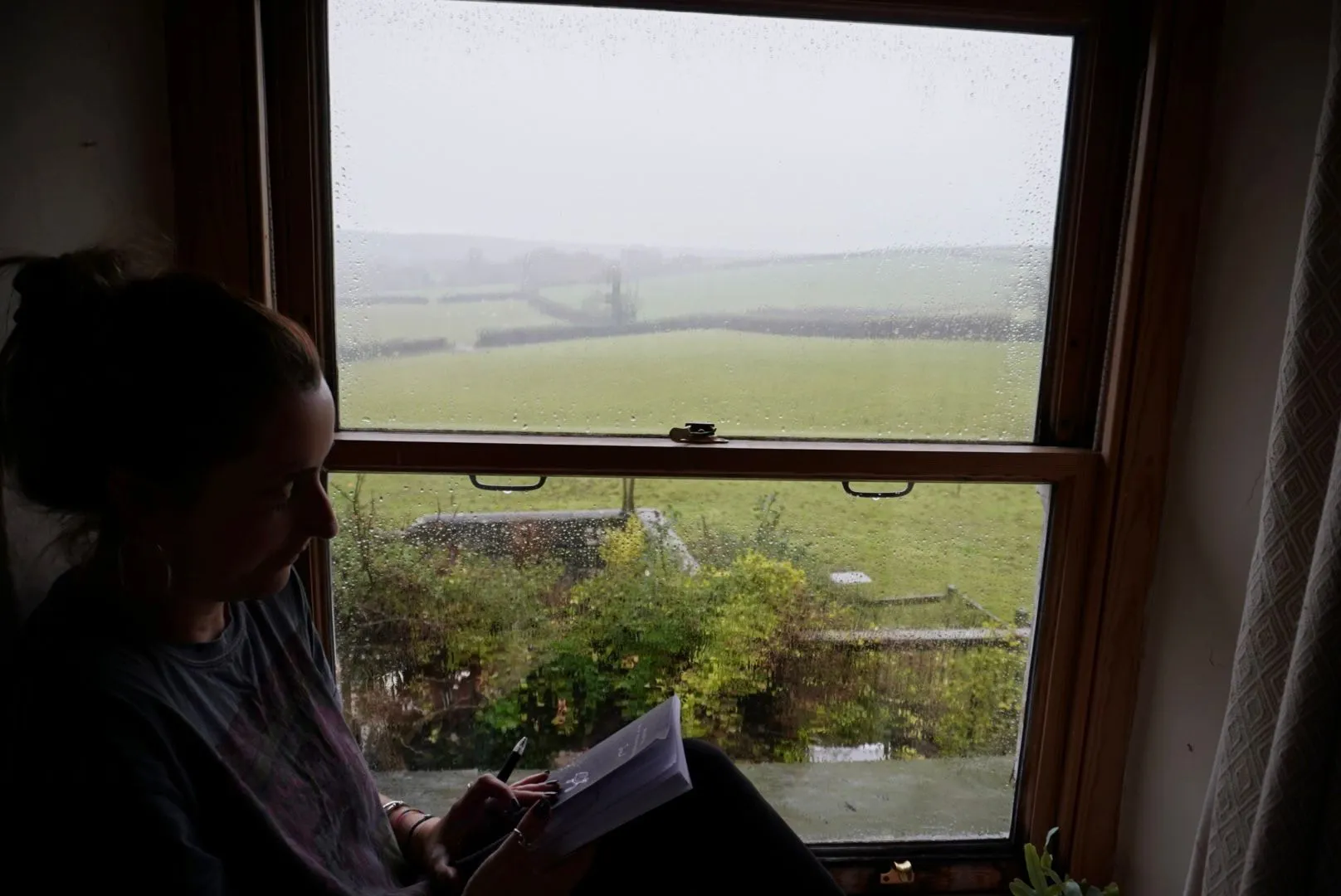
Three Tips to See you Through:
- Normalise: Remember if your mood has dipped this is your body’s natural response system kicking in (not a personal failing). Your brain and body operate on cycles, not on a perpetual high. During peak summer, your system runs on a higher gear: elevated daylight, high physical output, and constant social engagement. When autumn arrives, the abrupt drop in light and movement creates an energy deficit. Expecting yourself to maintain mid-August productivity or high-octane mood levels in late October is physiologically unrealistic.
The Shift: Reframe this quiet period as a deliberate nervous system reset. Your brain is adjusting to a lower-energy baseline. It will run slower. So give yourself permission to sit with that slower energy.
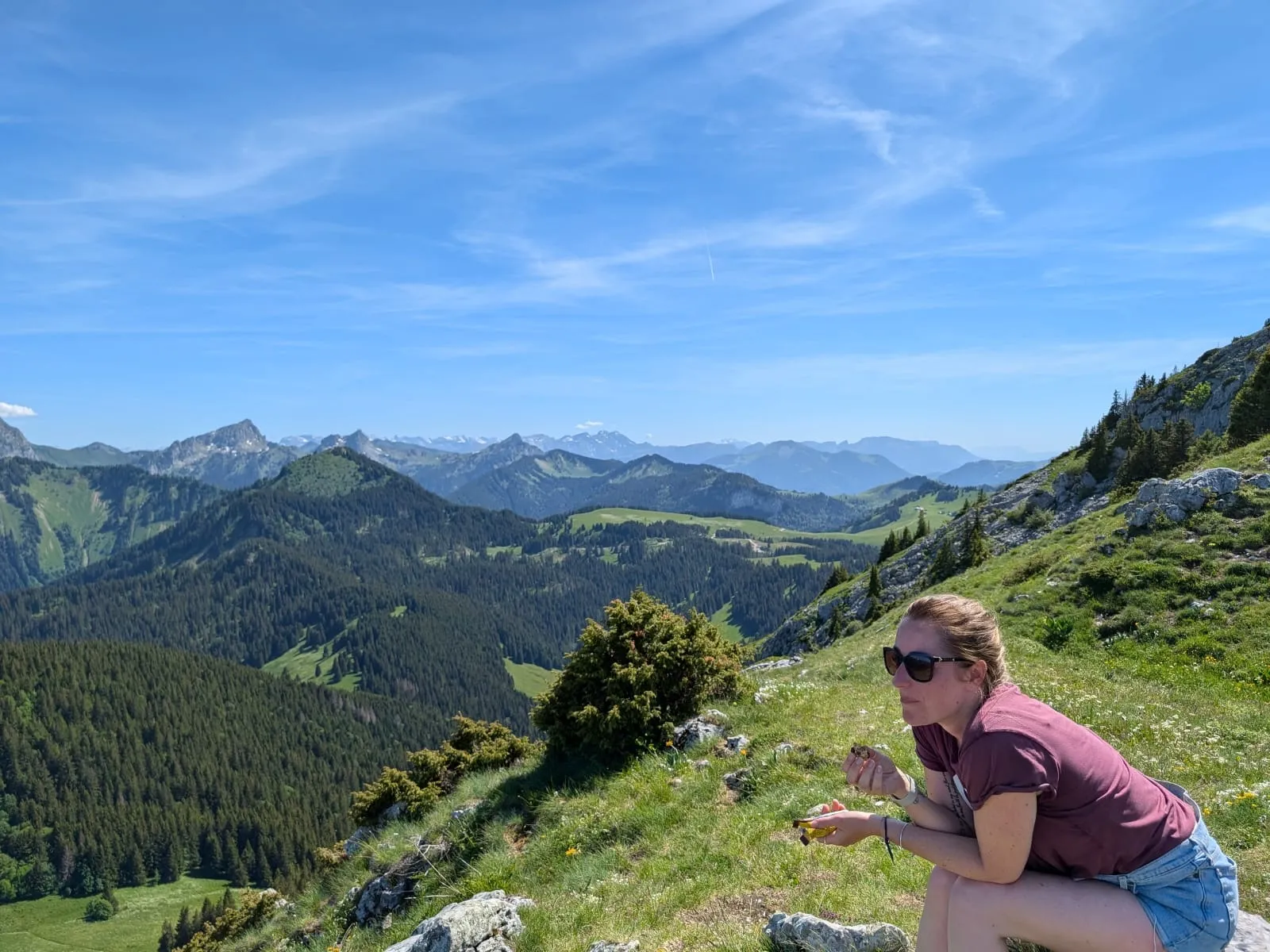
- Seek Light Like it’s your daily prescription. In mountain environments, daylight hours shrink rapidly. This drop disrupts your circadian rhythm, triggering an overproduction of melatonin (making you sluggish) and a dip in serotonin. The shift: Get outdoors within 30 to 60 minutes of waking, even on overcast days. Early morning photon exposure to the eyes can anchor your internal clock and halt daytime melatonin production
. 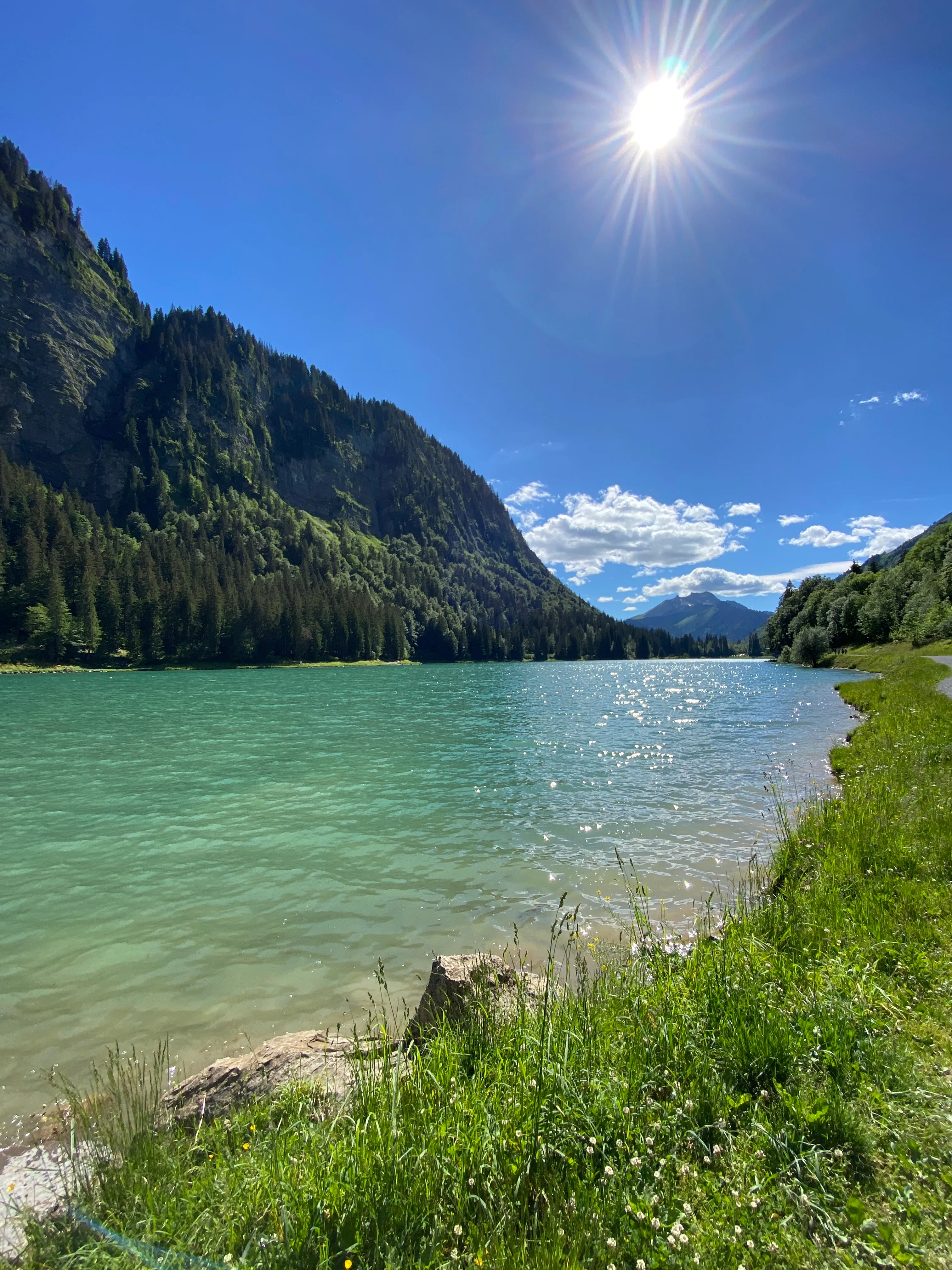 3) Get your dopamine hits in a low intensity way. If your summer involved mountain biking, trail running, or high-octane outdoor pursuit, your brain is currently experiencing high-dopamine withdrawal. Looking at a calendar and waiting weeks for ski season only deepens that frustration.
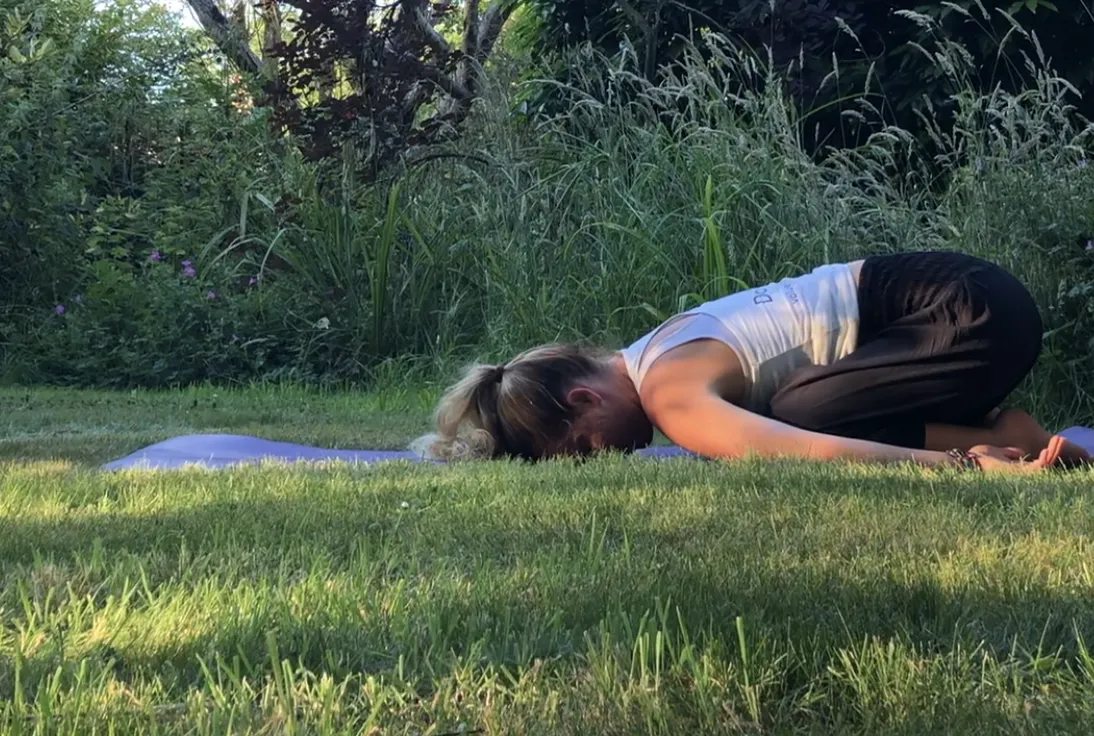
The shift: Instead of forcing yourself to find energy, pivot toward gentle dopamine sources such as task completions - The brain releases dopamine not just from thrill-seeking, but from finishing focused tasks. Deep-cleaning, gear maintenance, waxing skis/ boards, or organising winter kit provides a tangible sense of order and quiet accomplishment. Also things with low baseline effort, walking, yoga (being a yoga teacher I am of course biased, but in my eyes it is the perfect tonic), sauna sessions, swimming.
Concluding Remarks
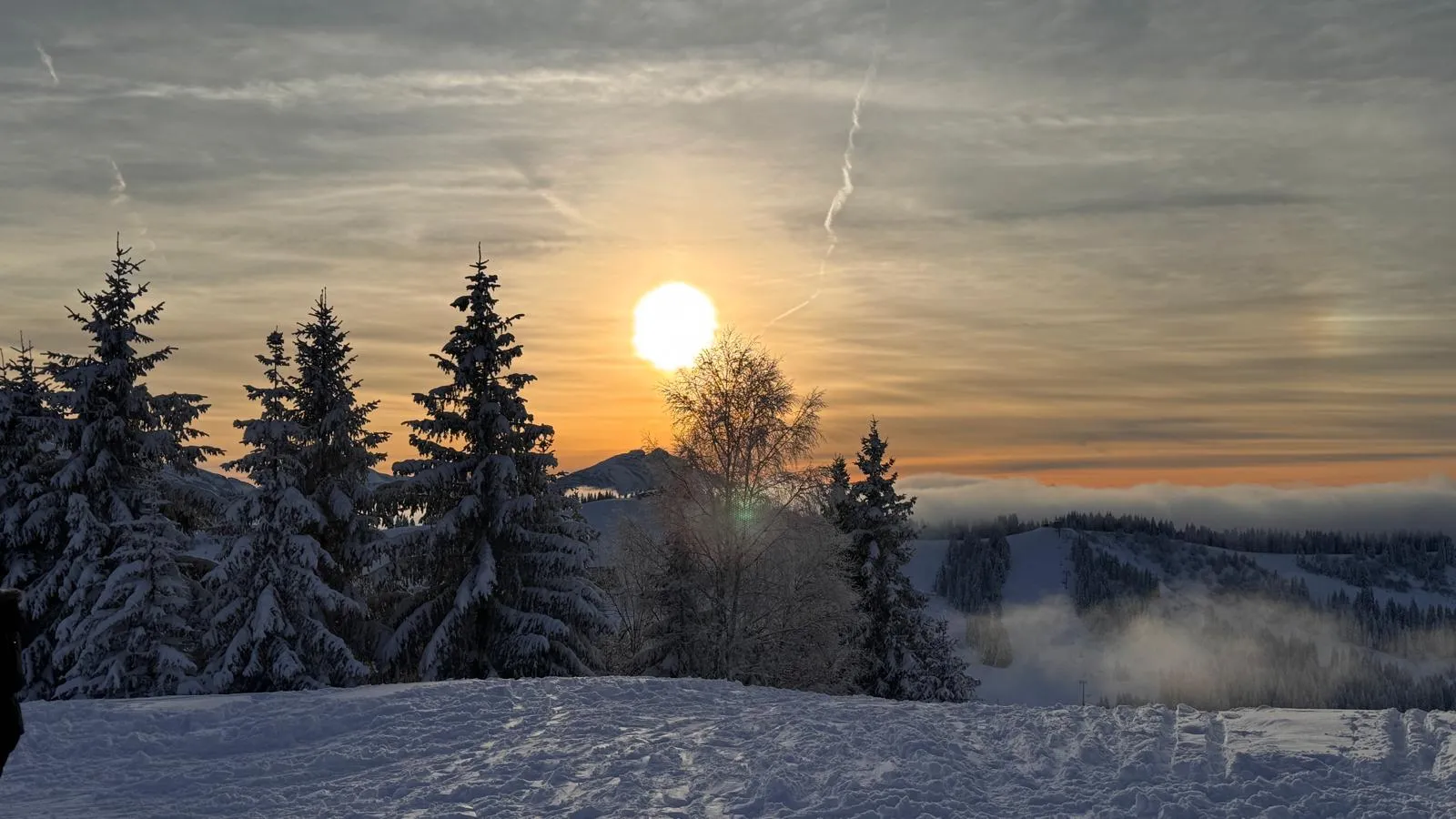
Ultimately beating the interseason blues, isn’t about fighting it with fake energy. It’s about acknowledging the change, recognising your mind is responding in a natural way to this change and then aligning your actions to the slower pace. Respect the pause and remember the snow is on its way!
"some inspiring quote the number1 takeaway maybe?."
Nathalie Kealy
Mental Wellbeing Coach | Yoga Teacher
Spotify Podcast - Calm Mind Confident Life Nathalie is a mental health nurse, yoga and meditation teacher, and 1:1 coach with over 15 years’ experience supporting emotional wellbeing.
Founder of Value Your Mind, whose retreats have been recognised by The Guardian news paper among its Top 10 Retreats in Europe. Nathalie combines psychology and restorative practices to help people release stress and anxiety in both mind and body. She offers private yoga sessions and 1:1 coaching to support wellbeing and personal growth.